

Most homeowners do not notice the exact moment their cleaning routines stop working. The house just slowly starts feeling harder to manage. Laundry stacks up faster. Floors never seem fully clean. Clutter appears in rooms that were tidy only a few hours earlier.
The problem is usually not one major mess. There are constant small interruptions happening throughout the day. Shoes get dropped near the door instead of put away. Mail piles up on counters. Dishes stay in the sink longer because everyone is rushing between activities.
A lot of people assume they need to clean more aggressively once life gets busier. In reality, busy homes usually stay cleaner when routines become simpler and more consistent instead of more intense.
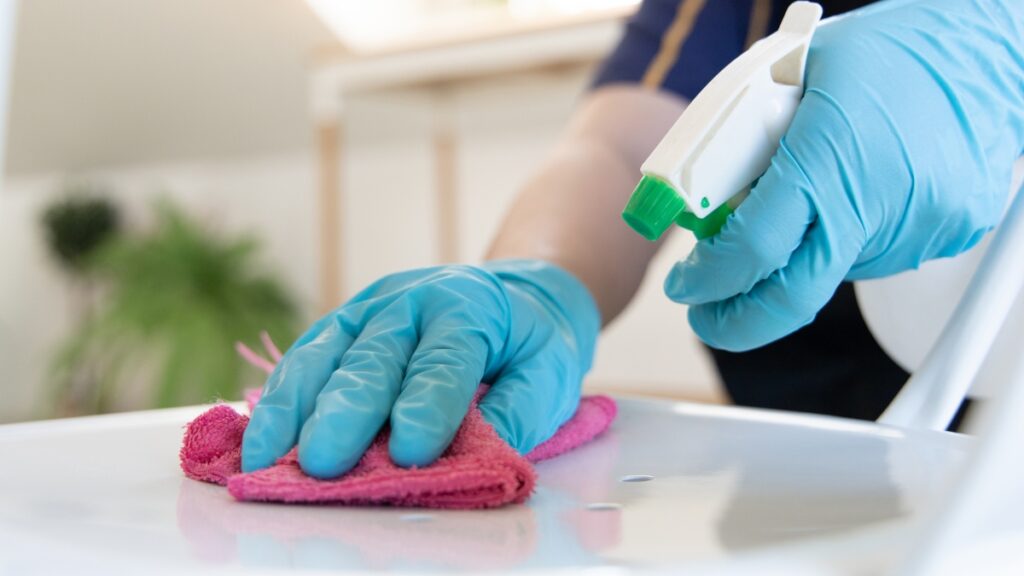
Why Active Households Create Faster Buildup
One thing most people do not realize is that movement itself creates dust. Every time people walk across carpet, sit on furniture, open doors, or move blankets and pillows around, tiny particles get pushed back into the air.
Busy homes also collect more fine debris from outside. Grass, dirt, pollen, pet hair, and dust spread quickly through shared spaces because people move constantly between rooms throughout the day. That is one reason homes can feel dusty again shortly after vacuuming.
Humidity makes the problem worse too. During warmer months, moisture in the air causes dust and oils to cling to surfaces more easily. Kitchen cabinets, ceiling fans, and bathroom fixtures often develop a sticky layer of buildup long before homeowners notice visible dirt.
Another overlooked issue is fabric buildup. Rugs, couches, curtains, and bedding absorb body oils, outdoor allergens, and dust throughout the week. Most people focus on hard surfaces while soft surfaces quietly hold most of the odor and buildup.
The Rooms That Usually Fall Behind First
Kitchens almost always become the busiest cleaning zones once schedules get packed. Quick snacks, rushed meals, coffee cups, and constant surface touching create buildup faster than homeowners expect.
Most people wipe visible crumbs from counters while overlooking grease film that settles on cabinet fronts, appliance handles, and light switches. Once dust sticks to grease, surfaces become much harder to clean with basic wiping alone.
Entryways are another major problem area in busy homes. Shoes, backpacks, sports gear, water bottles, and jackets tend to collect near the door before spreading into nearby rooms.
One practical adjustment that helps significantly is reducing how many loose items stay near shared spaces. Most homeowners do not realize how much cleaning time gets spent moving objects before actual cleaning even starts.
Cleaning Habits That Actually Hold Up During Busy Weeks
The best cleaning systems are usually the easiest ones to repeat consistently. Complex schedules often fail once routines become unpredictable.
One effective strategy is separating “maintenance cleaning” from “deep reset cleaning.” Maintenance cleaning focuses on controlling buildup daily, while deeper cleaning handles areas that collect hidden dust over time.
Vacuuming technique also matters more than most homeowners think. Quick back-and-forth passes mainly remove surface debris while fine grit stays trapped deeper inside carpet fibers. Slow overlapping rows remove significantly more dirt and help floors stay cleaner longer.
For households struggling to stay ahead of buildup, recurring maintenance cleaning can help prevent the home from reaching the exhausting catch-up stage. Smaller consistent cleanings usually keep clutter, dust, and surface grime from spreading through every room.
Another overlooked habit is doing short evening resets instead of waiting for one large weekend cleaning session. Spending ten focused minutes clearing floors, wiping kitchen surfaces, and resetting shared spaces usually prevents hours of catch-up cleaning later.
Why Deep Buildup Changes How a Home Feels
A home does not need to look dirty to feel heavy or uncomfortable. Hidden buildup inside vents, baseboards, upholstery, and corners slowly affects how fresh the entire house feels.
Most people also underestimate how much dust continues circulating after routine cleaning. Ceiling fans, HVAC systems, and soft surfaces release particles back into the air constantly if deeper buildup is never fully removed.
When a house starts feeling impossible to reset, a more detailed cleaning often makes regular maintenance easier afterward. Thorough cleaning removes buildup in neglected areas that daily routines rarely have time to address.
FAQ
Why does my home feel messy all the time lately?
Busy households create constant low-level buildup throughout the day. Dirt, clutter, laundry, and dust spread gradually, which makes the home feel harder to fully reset.
What cleaning tasks matter most in a busy household?
Floors, kitchens, bathrooms, and high-touch surfaces usually make the biggest difference. Keeping those areas under control prevents buildup from spreading through the rest of the house.
Why do active homes collect dust faster?
Frequent movement circulates particles into the air constantly. Pets, foot traffic, open doors, fabric surfaces, and HVAC systems all contribute to faster dust buildup.
How often should a busy home be deep cleaned?
Most active households benefit from deeper cleaning every few months, especially in areas like vents, baseboards, upholstery, and behind furniture where buildup collects slowly.
Are recurring cleaning routines better than occasional marathon cleaning days?
Yes. Smaller consistent cleaning routines usually prevent buildup more effectively because dirt and clutter are addressed before they become overwhelming.
What is the easiest way to make cleaning feel less stressful?
Simplifying routines and reducing clutter usually helps the most. Homes become easier to maintain when surfaces stay easier to access and reset quickly.
Busy households naturally create more movement, more buildup, and more interruptions throughout the day. The goal is not keeping the house perfect at all times. It is creating routines that make the home easier to manage before small messes turn into exhausting cleanup projects. Love My Maids shares more practical cleaning insights.
The post Why Busy Homes Start Feeling Messy So Quickly appeared first on Love My Maids.